
It is a familiar scene in households everywhere: you are standing in the doorway, telling your teenager that dinner is ready, while they are deeply focused on a glowing screen, frantically clicking a controller and shouting strategies to friends you have never met. For a long time, the default parental reaction to video games was worry. We worried about screen time, we worried about isolation, and we worried about what it was doing to their developing brains.
But as World Mental Health Day approaches, it is time to rethink the glowing screen in the living room.
Rather than viewing gaming as an obstacle to wellbeing, experts are now suggesting it can be a vital tool for supporting it. The statistics are hard to ignore. According to research from the Interactive Games and Entertainment Association (IGEA), an overwhelming 89% of Australian players aged 18 to 34 say they play video games to improve their mental health. Even more telling, 94% report playing simply to de-stress.
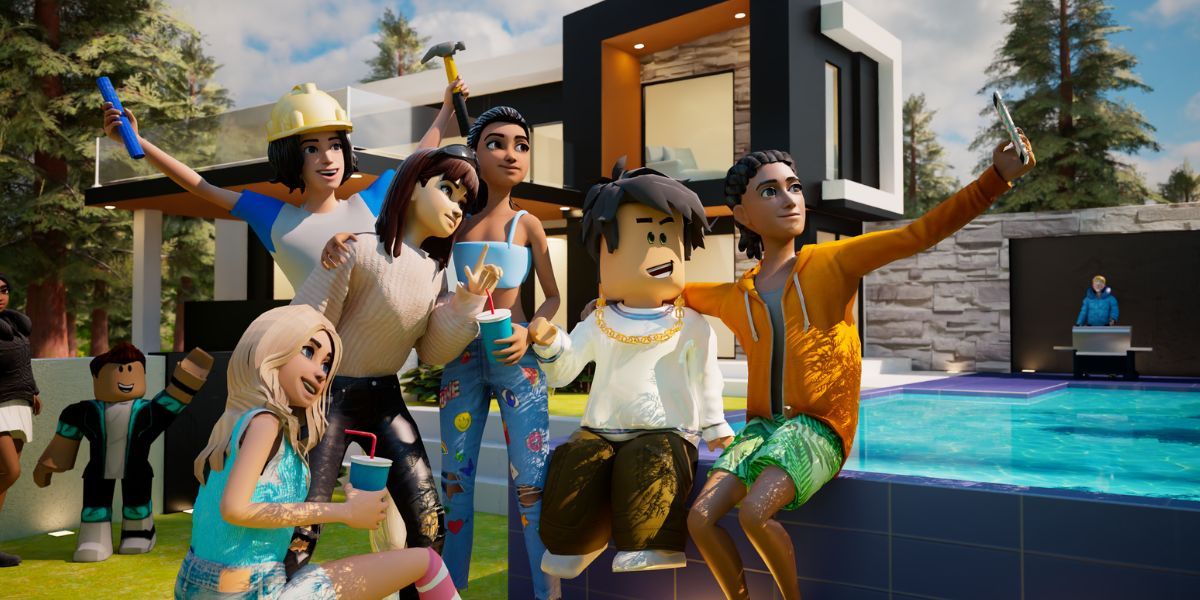
Video games are no longer just mindless entertainment. They are creative, deeply social, and meaningful platforms. For many young people, these digital landscapes are where they build genuine friendships, express themselves creatively, and spend time in communities where they feel they truly belong.
If you are a parent or caregiver wanting to support your child’s digital life, stepping away from the Wi-Fi router power switch is the first step. Here are three practical ways to encourage positive gaming experiences that support their mental health.
1. Take an active interest in the games they play
It is easy to dismiss a game as just brightly coloured pixels on a screen, but taking a genuine interest in what your child is playing bridges a massive generational divide. Watching them play, or even picking up a controller yourself, helps you understand how they connect with others and explore new interests. Many modern games are surprisingly complex and actively promote positive social behaviours like sharing, helping, and collaborating.
Dr Elizabeth Milovidov, the Senior Director of Global Parental Advocacy at Roblox, points out that parents need to look at the quality of the gaming experience, not just the ticking clock of screen time.
“As a parent, I’ve seen firsthand how interactive gaming environments can do so much more than just entertain,” Dr Milovidov explains. “These environments can help build essential social skills, reduce feelings of loneliness, and ease social anxiety by giving kids a low-pressure way to connect, collaborate, and explore new passions.”
She suggests getting curious. Ask your kids to give you a tour of their virtual worlds. It is one of the easiest ways to start a meaningful conversation about digital citizenship while showing you care about their interests.
2. Understand exactly what draws them to the game
Not all screen time is created equal, and not all gaming sessions have the same goal. Sometimes kids play to socialise; other times they want to relax, escape after a hard day at school, or deeply challenge themselves. Understanding the “why” behind their gaming helps you support them better.
Are they looking for a sense of accomplishment? Are they trying to relieve stress? Knowing this changes how you view their play.
Dr Daniel Reidenberg, Founder of Safe Online Standards and affiliated faculty at The Johns Hopkins Center for Suicide Prevention, notes that the challenges presented in games have real-world benefits.
“Games provide young people opportunities to challenge themselves, build skills, work towards goals and connect with others,” Dr Reidenberg shares. He points out that the natural competition in gaming can certainly bring moments of frustration, but this is not necessarily a bad thing. “Experiences like this help players learn how to manage setbacks, take a break when needed and come back with a fresh perspective and new coping skills that provide benefits on and offline.”
3. Build healthy habits around play
We all know the struggle of the “just five more minutes” negotiation. Building healthy digital habits does not have to be an argument. Today, many gaming platforms offer built-in tools that help families manage screen time, notifications, and online visibility.
Using these tools makes it much easier to set clear, fair boundaries. You can reinforce these habits by setting time limits before the game even turns on, encouraging breaks when you notice their frustration building, and ensuring there is plenty of space for offline activities, daily routines, and family relationships.
Roblox, for example, offers features like a Do Not Disturb mode, screen time limits, online status controls, and robust reporting features. Families can use these to create a digital environment that works safely and comfortably for their specific needs.
“Stepping away from a game is part of healthy play,” says Dr Milovidov. “When young people build the habit of noticing when they need a break and actually taking one, they’re developing self-regulation skills that matter far beyond gaming. Small, intentional pauses throughout the day can make a real difference to how balanced and in control a young person feels.”
Getting Started: Where to look
If you are new to platforms like Roblox, do not worry. You do not need to be a tech expert to get involved. Letting your child take the lead and teach you how to play is a fantastic way to bond. If you want to do some homework first, resources like the Roblox Family Zone and their Help Center can get you acquainted with the safety features and the experiences your kids love.
Looking for a game to try together? Games that encourage teamwork and problem-solving are a great starting point.
Take Overtone, for example. It is a fast-paced multiplayer game where players mix translucent colour cards to match a target colour before the opposing team does. It is best suited for older kids and teens, combining creativity, strategy, and problem-solving. It is simple to pick up but challenging enough to keep everyone engaged, teaching kids how to think creatively under pressure while learning colour theory concepts.
This World Mental Health Day, try changing the conversation around gaming. Instead of asking when they will turn it off, try asking them how it works. You might be surprised by how much it benefits them, and your relationship.